
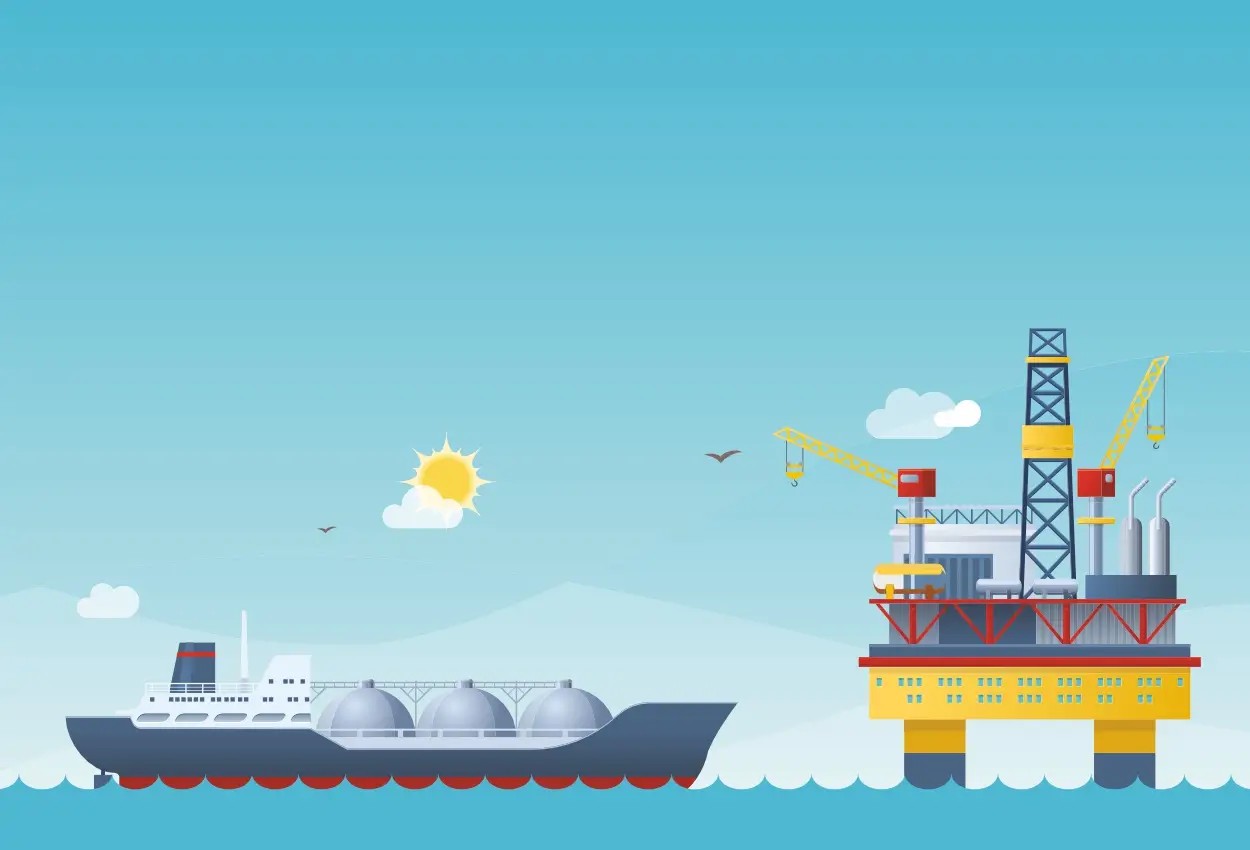
The global shipping industry moves more than 80% of the world’s goods, making it a critical pillar of international trade and economic growth. However, it is also responsible for nearly 3% of total global greenhouse gas emissions. With stricter environmental regulations and rising fuel costs, shipbuilders and operators are focusing on sustainable ship design to minimize environmental impact while maintaining efficiency and profitability. Sustainable ship design is no longer a niche trend; it’s an urgent necessity that shapes the future of maritime transportation.
Core Principles of Sustainable Ship Design
Sustainable ship design revolves around three key principles: energy efficiency, eco-friendly materials, and innovative technology.
- Energy Efficiency
Improving hull shapes, optimizing propulsion systems, and integrating hybrid or fully electric engines are central to energy-efficient vessels. Advanced computational fluid dynamics (CFD) tools allow naval architects to reduce drag and optimize water flow around the hull, lowering fuel consumption and emissions. - Eco-Friendly Materials
Modern shipbuilders increasingly use lightweight, recyclable materials like advanced composites and corrosion-resistant alloys. These materials reduce overall weight, which translates to better fuel efficiency and a longer operational lifespan with less maintenance. - Innovative Technology
Technologies such as air lubrication systems, solar panels, and wind-assisted propulsion are becoming integral to sustainable design. These innovations significantly decrease a vessel’s carbon footprint while maintaining high performance at sea.
Green Propulsion Systems: The Heart of Modern Vessels
Propulsion accounts for the majority of a ship’s energy usage, making it a prime area for sustainability improvements. Liquefied natural gas (LNG) engines, hydrogen fuel cells, and hybrid-electric systems are now viable alternatives to heavy fuel oil. For example, LNG-powered ships reduce sulfur oxide emissions by nearly 100% and cut carbon dioxide emissions by up to 20%. Similarly, hydrogen fuel cells offer zero-emission operations, making them ideal for future-ready fleets. Implementing these propulsion systems not only complies with International Maritime Organization (IMO) emission regulations but also future-proofs investments for shipowners.
Digital Design and Smart Operations
Digital twin technology and real-time monitoring systems are revolutionizing sustainable ship design. Digital twins—virtual replicas of ships—allow designers to test various scenarios and optimize energy performance before construction. Once operational, advanced sensors track fuel consumption, engine performance, and route efficiency, enabling continuous improvements. This combination of digital design and smart operations ensures ships operate at peak efficiency throughout their lifecycle, reducing both costs and environmental impact.
Lifecycle Sustainability: From Construction to Recycling
Sustainability doesn’t end with energy-efficient operations; it begins at the construction stage and continues through end-of-life recycling. Shipyards are adopting green construction methods such as energy-saving LED lighting, water recycling, and waste-reduction practices. When a vessel reaches the end of its life, responsible ship recycling—following standards like the Hong Kong International Convention—ensures materials like steel can be reclaimed and reused while hazardous waste is safely managed. Designing with the entire lifecycle in mind creates a circular economy within the maritime industry.
Economic Benefits of Eco-Friendly Ship Design
While sustainable ship design requires upfront investment, it delivers significant long-term financial rewards. Fuel savings, lower maintenance costs, and compliance with environmental regulations help shipowners avoid costly penalties. Moreover, eco-friendly ships are increasingly attractive to customers and investors who prioritize sustainability. By adopting greener designs, shipping companies can strengthen their brand reputation and secure competitive advantages in an evolving market.
Future Trends: Toward Zero-Emission Shipping
The future of sustainable ship design points toward zero-emission vessels powered by renewable energy sources. Advances in battery storage, offshore wind energy integration, and ammonia-based fuels will further reduce reliance on fossil fuels. Governments and international organizations are also offering incentives for zero-emission technologies, making innovation in ship design both a strategic and environmental imperative.
Conclusion: Charting a Greener Course
Sustainable ship design is redefining the maritime industry by balancing performance with eco-friendliness. Through energy-efficient hulls, green propulsion systems, digital technologies, and a focus on lifecycle sustainability, shipbuilders are creating vessels that meet the demands of global trade while protecting the planet. For shipowners and operators, embracing these innovations is not only an environmental responsibility but also a smart economic move. The future of shipping lies in designs that sail toward a cleaner, greener horizon.